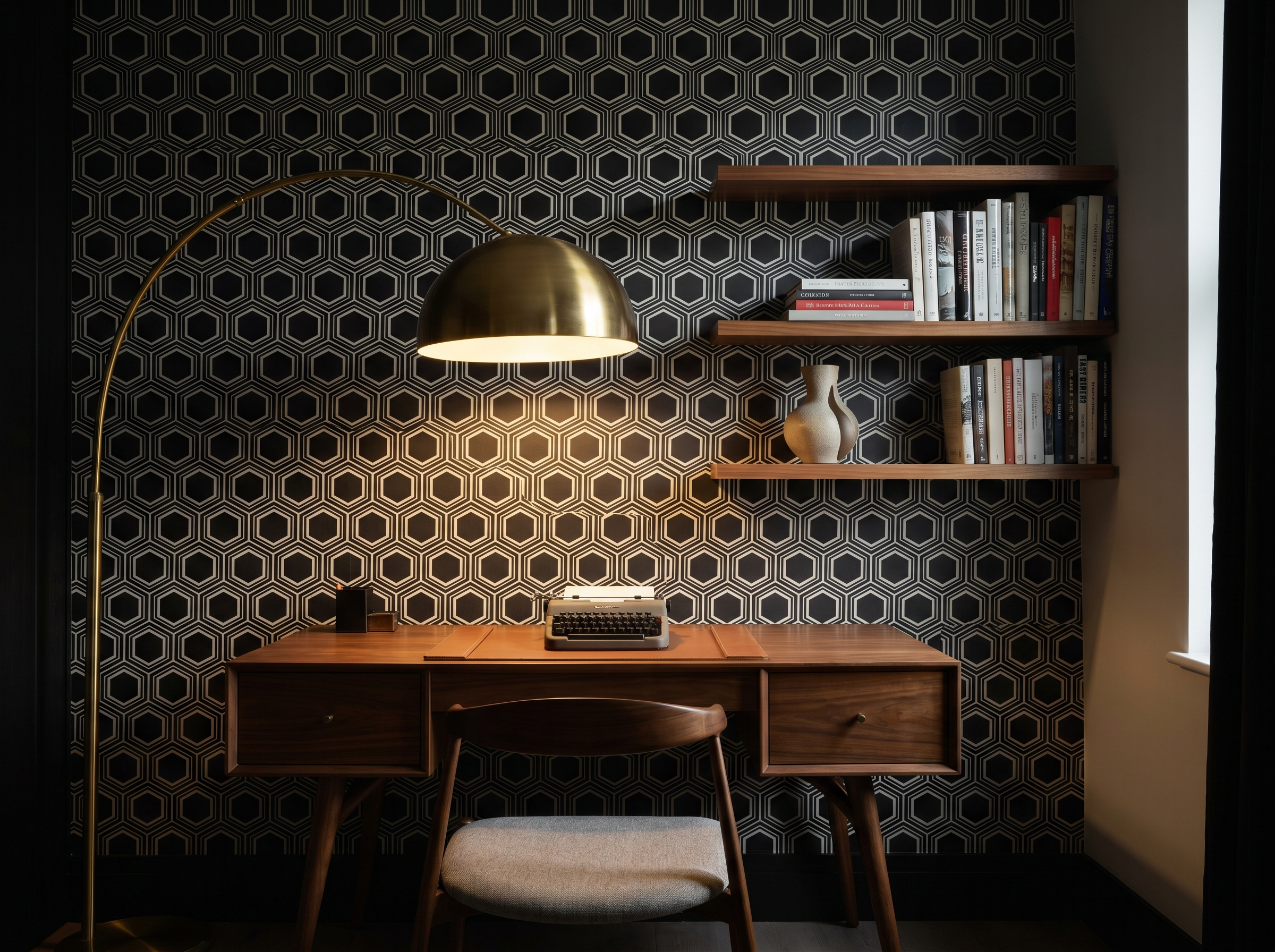
Peel & Stick vs Paste-the-Wall: which is right for your project?
Both have their place. We break down durability, finish quality, and the real cost difference so you can make the right call for your home.
The question comes up in almost every conversation we have with customers: should I go peel and stick or traditional paste? The honest answer is that it depends on your situation — your walls, your rental status, your patience, and how long you intend to stay. Here's everything you need to make the right call.
How each method works
Paste-the-wall is the traditional method: you apply adhesive paste directly to the wall (not the paper), then hang the dry wallpaper strip and smooth it into place. The paper expands slightly as it absorbs moisture from the paste, which is why it's important to work methodically and allow for overlap.
Peel-and-stick uses a pressure-sensitive adhesive factory-applied to the back of the wallpaper. You peel off the backing and press it directly to the wall. No paste, no brushes, no drying time. Repositionable during installation, and removable later without damage to most painted surfaces.
Durability
Paste-the-wall wins on longevity. Properly hung on prepared walls, a quality paste-the-wall paper can last fifteen to twenty years without lifting, bubbling, or fading at the seams. It bonds to the wall as it dries and becomes part of the surface.
Peel-and-stick, by design, doesn't bond permanently. Seams can lift slightly over time, particularly in humid environments (bathrooms, kitchens) or in rooms with significant temperature fluctuation. The better manufacturers use more aggressive adhesives that perform well for five to ten years, but it's not a like-for-like comparison.
"Peel-and-stick has improved enormously in the last five years. For rental properties and temporary installations it's now a genuinely professional-grade option."
Finish quality
Historically, paste-the-wall papers came in heavier, more luxurious substrates — woven textures, embossed finishes, non-woven backings that hold their form and hang flat. The market has narrowed this gap considerably, but very high-end wallpapers (de Gournay, Cole & Son's flagship ranges, silk-based papers) are still only available as traditional paste.
Modern peel-and-stick papers are typically printed on vinyl or a lightweight non-woven substrate. They're crisp and well-suited to graphic, photographic, and geometric patterns. For richly textured or fabric-effect designs, paste-the-wall still tends to look better up close.
Cost
Peel-and-stick papers tend to cost 10–25% more per roll than equivalent paste designs from the same brand. You save on materials (no paste, no brushes, no seam roller) and potentially on labour if you're hanging them yourself — the process is genuinely more forgiving. For a professional hang, most decorators charge the same day rate regardless of method.
| Peel & Stick | Paste-the-Wall | |
|---|---|---|
| Durability | 5–10 years | 15–20+ years |
| Installation | DIY-friendly | Some experience needed |
| Removal | Clean, non-damaging | May require steaming |
| Wall prep required | Minimal | Thorough (primed, smooth) |
| Best for | Renters, temporary | Permanent installs |
| Price per roll | Higher | Lower |
The verdict
If you're renting, redecorating a child's room, or just not sure you want to commit — peel-and-stick is genuinely excellent. Buy from a reputable brand (Chasing Paper, Tempaper, and Hygge & West are the ones we trust), follow the wall prep instructions, and you'll get a result that impresses.
If you own your home, you're working with a decorator, or you've fallen for a paper that only comes in paste — go paste. The result will last longer, look richer, and hold up to daily life. A good decorator will hang it flawlessly and it will outlast your furniture.
James Whitfield
James is Murall's product editor and a qualified interior architect. He has overseen wallpaper specifications on residential and hospitality projects across Europe.
Continue reading
4 June 2026 · 6 min read
How to choose wallpaper for small rooms (without making them feel smaller)
12 May 2026 · 7 min read
How many rolls do I need? The definitive wallpaper calculator guide
24 Apr 2026 · 5 min read
10 accent wall ideas that interior designers actually approve of
Never miss a story